
How Much House Can I Buy With My Paycheque?
One of the most common questions buyers ask is: How much house can I actually afford?
The short answer: it depends on your income, debts, down payment, where you buy and what you buy.
The longer (and more helpful) answer is below - translated into plain English, with real-world examples for Kitchener-Waterloo, Cambridge, and Guelph.
First, let’s decode the “rules” - lenders use two main guidelines when deciding how much they’ll lend you:
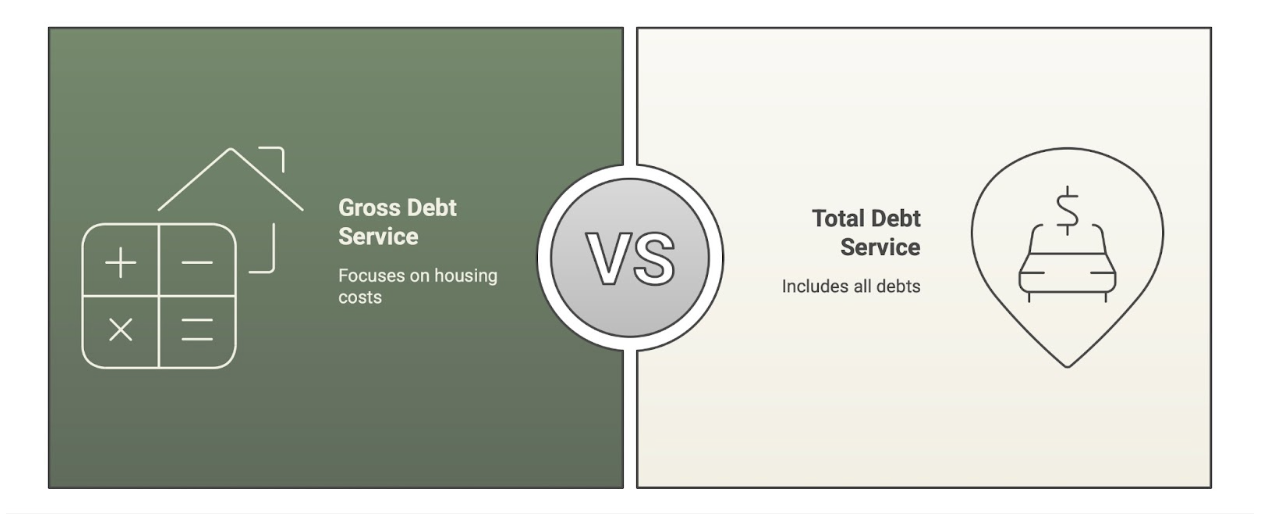
Gross Debt Service (GDS)
This is how much of your monthly income can go toward housing costs:
Mortgage payment
Property taxes
Heating
Condo fees (if applicable)
In simple terms: housing should usually stay under ~35% of your gross income.
Total Debt Service (TDS)
This includes everything:
Housing costs plus
Student loans
Car payments
Credit cards / lines of credit
Translation: all debts combined should usually stay under ~42% of income.
These ratios are tested using today’s typical mortgage rates, not the lowest rate advertised - a built-in buffer to make sure you can still afford your home if rates change.

Example 1: New Grad Buyer
Income: $45,000–$65,000
Down Payment: Minimum (5% on first $500k, 10% on the remainder)
Debt Assumptions: Student loan, no car payment
What this looks like in real life -
After accounting for student loan payments and today’s typical rates, most new grads fall into a purchase range of approximately: $350,000 – $450,000
Where this can work locally -
Kitchener-Waterloo: Entry-level condos
Cambridge: Older condos or smaller townhomes in select pockets
Guelph: Primarily condos; inventory is tighter at this level
At this stage, flexibility on location and property type is key.

Example 2: Solo Buyer
Income: $75,000–$95,000
Down Payment: Minimum first-time buyer structure
Debt Assumptions:
Modest car payment
Realistic credit card balance
What this looks like in real life -
With manageable consumer debt, many solo buyers land around: $500,000 – $625,000
How location changes your options -
Kitchener-Waterloo: Newer condos, stacked townhomes
Cambridge: Townhomes and select entry-level freeholds
Guelph: Condos or smaller townhomes
This is where city choice really matters - the same budget can buy very different homes depending on where you focus.
Example 3: Couple Buying Together
Household Income: $140,000–$180,000
Down Payment: Minimum first-time buyer structure
Debt Assumptions:
One student loan
One credit card payment
Two modest car payments
What this looks like in real life -
Even with mixed debts, dual incomes create flexibility. Many couples fall into a range of: $700,000 – $900,000
How far that budget goes -
Kitchener-Waterloo: Townhomes and some detached homes
Cambridge: Detached homes and newer developments
Guelph: Townhomes or older detached homes (pricing tends to be tighter)
This is where buyers often choose location based on lifestyle, commute, and long-term plans rather than “can we qualify?”
Why City Choice Matters More Than Buyers Expect
A townhome priced at $650,000 in Cambridge might cost:
More in parts of Kitchener-Waterloo
Significantly more in Guelph
Affordability isn’t just about income - it’s about matching your budget to the right market.
The Bottom Line
Your paycheque doesn’t decide your budget alone — your debts, down payment, and city choice all matter just as much.
That’s why two buyers earning the same income can qualify for very different homes.
Thinking About Buying And Want Real Numbers?
The Bunker Realty team helps buyers run personalized affordability scenarios and match them to the right neighbourhoods - before you fall in love with a home that doesn’t fit the budget.
Reach out anytime to start with clarity instead of guesswork.
—
Disclaimer: The price ranges and examples above are for educational purposes only. Individual affordability, mortgage approvals, and purchase prices vary based on lender guidelines, credit history, interest rates, down payment sources, and other financial factors. All mortgage approvals are subject to lender review and conditions.